

Oral cancer screenings in Seattle, redmond, monroe, & kirkland
Oral pathology screenings, a crucial tool in the hands of dentists and oral surgeons, play a pivotal role in diagnosing and treating diseases affecting the mouth, teeth, gums, and jaw. Our oral surgeons, as part of their routine, provide comprehensive oral pathology services such as clinical exams, lab testing, and digital imaging. These screenings are instrumental in identifying the root cause of any oral health problems.
Best Oral Surgeons in the Greater Seattle Area
Contact one of our offices today!
Oral Screenings – the Process
During your appointment, our doctors conduct thorough oral screenings for various oral pathologies, including oral cancer. This involves a comprehensive examination of your teeth, gums, oral cavity, jawbone, and the lining of the cheeks and lips. X-rays and 3D images are taken and evaluated. If necessary, an oral biopsy is performed on any areas of concern.
While our doctors always strive to process biopsies as quickly as possible for your peace of mind, keep in mind that great care must be taken to provide an accurate diagnosis. This may take one to two weeks. We appreciate your patience and understanding in this process and will contact you as soon as we have your oral biopsy results.
When is an Oral Biopsy Needed?
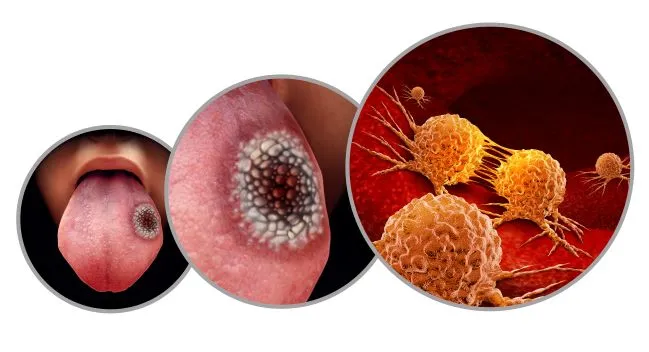



When your dentist recommends an oral biopsy, do not panic. Although some oral lesions or other abnormalities may be a warning sign of oral cancer, other conditions may cause lesions, ulcers, or abnormalities, including oral warts, canker sores, thrush, mucocele, frictional hyperkeratosis, and fibromas. Some of these may require treatment with medication or surgical removal. In contrast, others heal on their own or can be left alone and monitored by your dentist or one of our oral surgeons.
Signs of Oral Pathology
Any time the skin lining the inside of the mouth (mucosa) changes color or becomes inflamed, see one of our doctors or your dentist. The interior of the mouth should be a healthy, coral-pink color. Some signs of oral pathology include:
- A lump or thickening of the skin inside the mouth
- Thickening of the gums
- Chronic bleeding of the gums or oral tissues
- A lump or mass in your neck
- A sore that won’t heal and bleeds easily
- Changes in your voice
- A chronic sore throat, hoarseness, or a chronic feeling that something is stuck in your throat
- Difficulty chewing or swallowing
- Difficulty moving your tongue or jaw
- Numbness in your tongue or other areas of your mouth
- Pain in the mouth without an apparent cause or reason that doesn’t go away
- Red patches (erythroplasia), white patches (leukoplakia), or both (erythroleukoplakia) on your tongue, gums, tonsil, or lining of your mouth
If any of these symptoms last longer than two weeks, make an appointment with one of our doctors for an oral pathology exam. We can determine if there is cause for concern and, if necessary, perform a biopsy. Our goal is always to provide you with the best oral pathology services and care possible.
Self-Checks for Oral Cancer and Other Pathologies
Your mouth affects your overall health and can be an early warning system for problems. Each month, you should perform an oral cancer self-exam to make sure you catch any indications of a problem early and pursue proper care.
To perform an effective exam:
- Look at and feel around the inside of your lips and both sides of your gums for lumps or discoloration
- Examine and feel the roof of your mouth
- Stick out your tongue, looking at the top, sides, and bottom. Feel beneath the tongue, between the teeth.
- Check your lymph nodes for swelling
- Feel the sides of your neck and lower jaw for lumps
- Do not ignore any suspicious sores or lumps
- Schedule an oral pathology evaluation if you discover any abnormalities
Oral Pathology Frequently Asked Questions
Is every sore in my mouth a sign of oral cancer?
No. The most common types of oral sore in or around the mouth are canker sores and cold sores (the herpes simplex virus). However, you should always have any unexpected sore examined by a doctor, particularly if you do not have a history of canker or cold sores.
I have a lump in my mouth that doesn’t hurt. Shouldn’t cancer hurt?
No. Remarkably, oral cancers, including tongue, cheek, and lip cancers are rarely painful until their most advanced stages, which is why they are often undiagnosed until they are difficult to treat effectively. Early detection and treatment results in a much higher survival rate.
What are the risk factors for oral cancer?
Anyone can develop oral cancer, but your risk of developing it goes up dramatically if you fall into certain categories. Factors that increase your risk include:
- Smoking or tobacco use (including vaping and chewing tobacco)
- Excessive alcohol consumption
- HPV (human papilloma virus)
- Fair skin
- A compromised immune system
- Overexposure to the sun
Interestingly, while smoking and excessive alcohol use have been the leading causes of oral and throat cancer for decades, HPV is gaining on them. If your teens have not received the HPV vaccine, consider getting them vaccinated to reduce their risk of oral cancers.
Does oral cancer spread quickly?
Most cases of oral cancer spread quickly if they are a type called squamous cell carcinoma. This is why it is essential to have any abnormalities examined as soon as possible.
If you have any signs of an oral pathology, you can contact our office to schedule an appointment with one of our experienced oral surgeons.