
All About Wisdom Tooth Extraction
Known as third molars, wisdom teeth are the very last of our adult teeth to grow in. That is why they are called wisdom teeth, because they are associated with increased age compared to our other adult teeth (17-25 years old usually), and so wisdom.
Positioned toward the very back of the mouth, many wisdom teeth grow in without problems. However, sometimes they can get stuck during this process in either the jawbone or the gums. This is known as impaction, and its bad news for anyone suffering from it because it can mean pain, cavities, infection and gum disease. That is why your dentist would recommend you have any impacted wisdom teeth extracted.
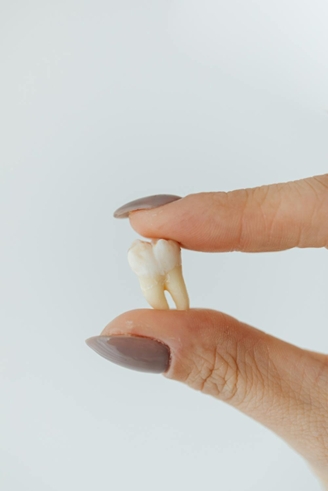
Image sourced at Pexels – Licence CC0
Why do we have wisdom teeth?
Before we look at wisdom teeth extraction in more detail, it makes sense to look at why we have wisdom teeth in the first place. The funny thing is that while they can help in minor ways, such as preserving your jawbone, most dental specialists see wisdom teeth as vestigial. This means they are left over from an earlier age when we did need them but can now get along without them.
Indeed, at this earlier age, we consumed many fibrous plants as human beings, and these large flat teeth helped to properly break them down before they entered the digestive system. But we eat cooked and prepared foods, we can get sufficient nutrition even if they are removed, which is, of course, good news for those who need this procedure done. In the section below, we will find out the reasons why a wisdom tooth extraction may need to be done.
What can go wrong with wisdom teeth?
One of the most common problems is impaction. Wisdom tooth impaction is when the tooth grows in at the wrong angle, meaning there is not enough space for it to erupt (emerge from the gum). This can result in a range of issues, including:
- Pain
- Trapped food leading to decay
- Periodontal disease – gum disease
- Bone damage
- Damage to other teeth
- Cysts
- Issues with other dental treatments, such as braces.
The treatment for wisdom teeth
The main treatment for unneeded or impacted wisdom teeth is extraction. This is where the tooth is removed via a surgical procedure, usually under local anesthesia and sedation, but sometimes under general anesthesia for complicated cases or nervous patients. Since wisdom teeth extraction is a surgical rather than dental procedure, it makes sense to choose a specialist wisdom tooth extraction surgeon who focuses only on oral surgery for your procedure. This is because they will have the expertise and equipment to complete this process and recovery as quickly, comfortably and safely as possible.
Should all wisdom teeth be extracted?
Currently, there is some debate over whether all wisdom teeth should be removed or not. Some dental professionals suggest that it should be done because it minimizes the risk of the issues listed above, and that it should be done when a patient is younger, as they will more easily tolerate it. Additionally, these four large back teeth can be harder to floss and care for, meaning they are more prone to cavities, leading to more expense and probably extraction later in life. However, other dental professionals suggest that impacted wisdom teeth only need to be removed if they are causing problems. As every situation is unique, it’s best to schedule a consultation at 47 North Oral Surgery to discuss YOUR wisdom teeth.