
What Is the Recovery Timeline After Dental Implant Surgery?
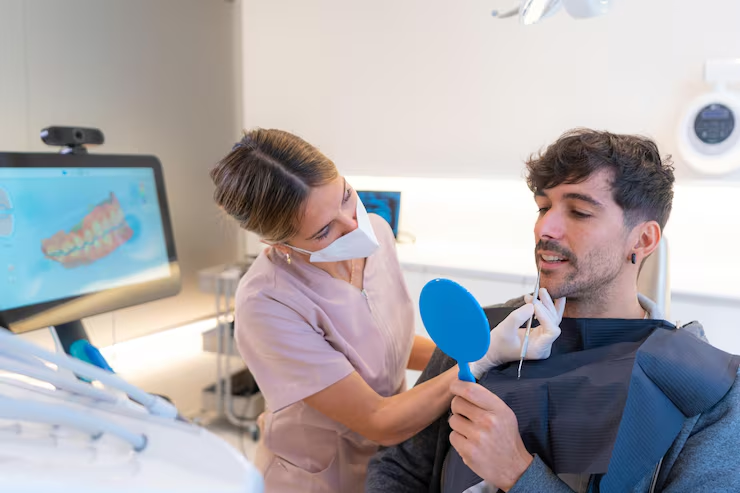
Dental implants are a reliable solution for replacing missing teeth and restoring oral function. While the procedure itself is a significant step toward improving oral health, many patients have questions about what happens afterward. Understanding the dental implant recovery timeline can help you prepare for the healing process and know what to expect at each stage.
Recovery after dental implant surgery varies from person to person. Factors such as overall health, bone quality, the number of implants placed, and adherence to aftercare instructions can all influence healing. Although the implant healing process takes several months, most patients can return to normal daily activities relatively quickly.
This guide explains the typical recovery timeline, important milestones, and practical post implant care tips to support successful healing.
Understanding Dental Implant Surgery
A dental implant is a small titanium post that is surgically placed into the jawbone to replace a missing tooth root. Over time, the implant fuses with the surrounding bone through a process called osseointegration. Once healing is complete, a custom restoration such as a crown, bridge, or denture can be attached.
The success of dental implant treatment depends largely on proper healing during the recovery period.
Dental Implant Recovery Timeline at a Glance
| Recovery Stage | Typical Timeline | What to Expect |
|---|---|---|
| First 24 Hours | Day 1 | Mild bleeding, swelling, and discomfort |
| Early Recovery | Days 2-7 | Swelling gradually decreases, soft food diet recommended |
| Initial Healing | Weeks 2-4 | Gum tissue continues healing, discomfort significantly improves |
| Bone Integration | 1-6 Months | Implant fuses with jawbone through osseointegration |
| Final Restoration | After Healing | Crown, bridge, or denture placement |
The First 24 Hours After Surgery
The first day is often the most noticeable phase of dental implant recovery. Patients may experience:
- Mild bleeding around the surgical site
- Swelling in the gums or face
- Minor bruising
- Tenderness or discomfort
- Temporary difficulty chewing
These symptoms are generally normal and expected. Applying cold compresses and following prescribed instructions can help manage swelling and discomfort.
Important Post Implant Care During the First Day
During the initial recovery period, patients should:
- Rest and avoid strenuous activity
- Keep pressure on the surgical site if instructed
- Avoid smoking and tobacco products
- Consume soft foods and stay hydrated
- Take medications as prescribed
Proper post implant care during this stage can contribute to a smoother recovery.
Days 2 Through 7: The First Week of Recovery
The first week is a critical part of the implant healing process. Swelling often reaches its peak within the first 48 to 72 hours and then gradually improves.
Many patients notice:
- Reduced bleeding
- Less discomfort each day
- Gradual improvement in swelling
- Increased ability to perform normal activities
Although healing is progressing, the surgical site remains sensitive.
Foods to Eat During the First Week
Choosing the right foods can help protect the implant area and support healing.
Recommended foods include:
- Yogurt
- Applesauce
- Smoothies
- Mashed potatoes
- Scrambled eggs
- Oatmeal
- Soup that is not excessively hot
Patients should avoid:
- Hard foods
- Crunchy snacks
- Sticky foods
- Extremely hot foods and beverages
Following dietary recommendations is an important aspect of post implant care.
Weeks 2 Through 4: Early Tissue Healing
By the second week, many visible signs of surgery begin to fade. Gum tissue continues to heal around the implant site, and most patients experience little to no discomfort.
During this period, patients may:
- Return to normal routines
- Resume light exercise with professional guidance
- Begin eating a wider variety of foods
- Attend follow-up appointments
Even though the gums may appear healed, the implant healing process is still ongoing beneath the surface.
Why Healing Continues After Symptoms Improve
One of the most common misconceptions about dental implant recovery is that healing is complete once discomfort disappears. In reality, the jawbone continues adapting to the implant for several months.
This deeper healing phase is essential for long-term implant stability.
Months 1 Through 3: Osseointegration Begins
Osseointegration is the process during which the implant becomes integrated with the jawbone. This stage is one of the most important parts of the implant healing process.
During osseointegration:
- Bone cells grow around the implant
- The implant becomes increasingly stable
- The foundation for the final restoration develops
Most patients do not notice significant symptoms during this phase. Although the area may feel normal, healing is actively occurring beneath the gum tissue.
Factors That Can Affect Healing
Several factors may influence the pace of recovery, including:
Overall Health
Conditions that affect healing may influence the timeline.
Bone Density
Patients with strong, healthy jawbone structure may experience predictable healing.
Oral Hygiene
Keeping the mouth clean helps reduce the risk of complications.
Tobacco Use
Smoking may interfere with blood flow and healing.
Number of Implants
Recovery may vary depending on whether one implant or multiple implants were placed.
Months 3 Through 6: Continued Bone Integration
As healing progresses, the connection between the implant and jawbone becomes stronger.
At this stage:
- The implant gains long-term stability
- Follow-up evaluations may be performed
- Planning for the final restoration may begin
Every patient’s dental implant recovery timeline is unique. Some individuals may complete healing sooner, while others require additional time.
Signs of Healthy Healing
Positive indicators during recovery include:
- Minimal discomfort
- Healthy gum appearance
- Stable implant position
- Absence of swelling or infection
- Comfortable chewing function
Patients should continue following all post implant care recommendations throughout this phase.
When Is the Final Crown Placed?
Once osseointegration is complete, the final restoration can be attached to the implant.
The timeline varies based on:
- Individual healing progress
- Bone quality
- Treatment complexity
- Whether additional procedures such as bone grafting were performed
Your oral surgeon will determine when the implant is ready to support a permanent restoration.
Tips for a Successful Dental Implant Recovery
Following aftercare instructions plays a significant role in achieving optimal results.
Maintain Excellent Oral Hygiene
Keeping the mouth clean helps support healing and reduce complications. Patients should follow all brushing and rinsing instructions provided by their oral surgeon.
Attend Follow-Up Appointments
Regular visits allow the surgical team to monitor healing and identify any concerns early.
Follow Dietary Recommendations
Choosing softer foods during the initial healing period can help protect the implant site.
Avoid Tobacco Products
Tobacco use can negatively affect the implant healing process and may increase the risk of complications.
Report Unusual Symptoms
Persistent pain, excessive swelling, or signs of infection should be evaluated promptly.
Common Questions About Dental Implant Recovery
Many patients are surprised by how manageable recovery can be when proper care instructions are followed.
While the implant healing process takes several months, daily discomfort typically improves much sooner. Most individuals return to work and normal activities within a few days, depending on the complexity of the procedure.
Understanding realistic expectations can make the recovery experience more comfortable and less stressful.
Conclusion
Understanding the dental implant recovery timeline can help patients feel more confident and prepared for the healing journey. While the implant healing process continues for several months, most individuals experience gradual improvement within the first few weeks. Following proper post implant care instructions and attending scheduled follow-up visits are important steps toward successful outcomes.
If you have questions about dental implants, recovery expectations, or your treatment options, the team at 47 North Oral Surgery can provide personalized guidance. Contact us to learn more about dental implant treatment and the recovery process.
Frequently Asked Questions
How long does dental implant recovery take?
Initial healing typically occurs within a few weeks, but complete osseointegration often takes three to six months. The exact timeline varies based on individual circumstances.
Is swelling normal after dental implant surgery?
Yes. Mild swelling is common and usually peaks within the first few days before gradually improving.
When can I eat normally again?
Many patients begin expanding their diet within a few weeks. Your oral surgeon will provide specific recommendations based on your healing progress.
What can slow down the implant healing process?
Factors such as smoking, poor oral hygiene, certain medical conditions, and failure to follow aftercare instructions may affect healing.
How can I support successful healing?
Following post implant care instructions, maintaining good oral hygiene, attending follow-up appointments, and avoiding tobacco products can help promote recovery.