
47 North Oral Surgery
What To Expect From A Tooth Extraction
What To Expect From A Tooth Extraction?
Have questions about what to expect from a tooth extraction? Then check out our thorough guide below.
Picture located at Pexels – Licence CC0
What is tooth extraction?
Also known as pulling a tooth, a tooth extraction is a dental procedure where a tooth is fully removed from its socket.
Why do people need tooth extractions?
While most dental professionals will agree that it’s better to keep natural teeth wherever possible, there are a variety of situations where tooth extraction may be in the best interest of the patient, including:
Severe tooth decay
There are many treatments for tooth decay, such as fillings and root canals, but when these fail, an extraction may be the next best option. This is because it will remove the diseased tooth from the mouth, preventing further infection and decay.
Advanced gum disease
Also known as periodontitis, teeth can loosen because of gum and bone loss. In some cases, it can be better to remove these teeth to stop additional issues from developing. However, extraction should only be used in cases where there is no other option.
Impacted wisdom teeth
The third set of molars that grow at the back of your mouth is also known as wisdom teeth. These can sometimes grow in at an angle, causing them to become impacted, which can lead to a whole host of issues, from infection, decay and cysts. In these cases, removal of wisdom teeth can be the best approach.
Injury or trauma to the tooth
If a tooth has sustained a severe injury, then sometimes there is no other option than to remove it.
What to expect from the process of tooth extraction
Many people are wary of the process of tooth extraction because of the pain levels involved, but knowing what to expect can help alleviate many of these anxieties.
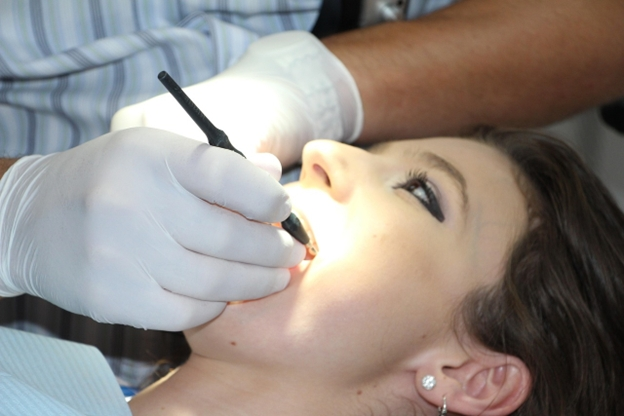
First off, simple extractions can take place in either a dental office, an oral surgeon’s office, or a hospital dental clinic. You will be given a local anaesthetic so your pain will be managed, and then your tooth will be loosened using a tool known as an elevator. Once it’s loose, your tooth can be removed carefully from the gum with forceps.
For a complex tooth extraction, seeing an oral surgeon is usually the best choice. Pain management usually involves both anaesthesia as well as sedation, so you will be asleep during the procedure. The oral surgeon may remove teeth using the above methods. They may also need to remove some bone. They will do this by first cutting a flap of gum tissue to allow them access. The tooth will then be removed whole or in pieces.
Once the tooth is removed, the dentist or oral surgeon will clean the area and smooth the bone. You may need stitches in your gum, and you will need to bite down on some damp gauze to help stop the bleeding.
Things to consider before you get a tooth extraction
Before you get a tooth extraction, it’s important to consider any possible complications that could occur. To help prevent this, seeing your dental professional for a final consultation before the procedure is the best approach. Additionally, it’s important that you let your dental professional know about any medical conditions or medications that you have in case they impact your procedure. For example, if you are on blood-thinning medications like Warfarin, your dentist will need to know this ahead of time.
Lastly, it’s important to carefully choose the dental professional that you go to for your extraction. Many patients prefer to see an oral surgeon for extractions rather than a traditional dentist as they have the experience and equipment to ensure the fastest, easiest and most comfortable removal.
Best Oral Surgeons in the Greater Seattle Area
Contact one of our offices today!
Everything You Need To Know About Impacted Canines
 Everything You Need To Know About Impacted Canines
Impacted wisdom teeth are a common phenomenon, but did you know that canines can get impacted, too? This happens when there isn’t space in the jaw to accommodate them.
Unfortunately, impacted canines can be a significant oral health issue requiring intervention. If these teeth don’t erupt properly additional problems may occur.
What Are Impacted Canines?
Impacted canines are canine teeth that fail to erupt in the proper position in the dental arch, usually due to crowding. Often, there isn’t enough space for these teeth to emerge, so they erupt at the wrong angle or in the wrong place.
Impacted canines are most common in families with histories of dental abnormalities. Often, they pass from one generation to the next.
Causes Of Impacted Canines
Genetics are the primary cause of impacted canines. Many people have genes that make them more prone to impacted teeth in general, often because of smaller jaw sizes.
The environment can also play a role. Modern diets and lifestyles as a child can increase the risk of canine impaction if the jaw fails to grow to a sufficient size.
Developmental issues sometimes interact with these tendencies. These happen when the dental arch doesn’t develop fully. Smaller jaws are less able to accommodate growing dentition, making impaction more likely.
How To Tell If You Have Canine Impaction
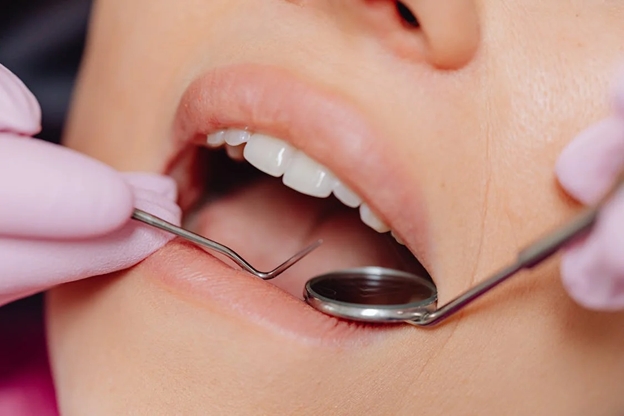
Improper canine eruption is usually obvious: you can see that the canine teeth aren’t in the right position.
However, impaction is when the tooth can’t function properly because it is being impeded by other teeth. When this occurs, you may experience additional symptoms, like difficulty chewing and pain or swelling around the affected tooth.
Ideally, you should come to our clinic for a full canine impaction diagnosis. Dentists examine your teeth and look for issues, using X-ray or CT scans for further refinement. These show the shape of the tooth under the gum and how it is interacting with the surrounding roots.
How To Treat Impacted Canines
Impacted canines can have adverse effects on oral health. For example, they can damage nearby teeth and lead to cyst formation if they become infected. It can be more challenging to maintain canine health if there are areas around them that are hard to brush. Eventually, gum disease can develop, leading to further root and jawbone risks.
Fortunately, treating impacted canines is straightforward with modern techniques. Mostly, treatment involves a “wait-and-see” approach. Even if canines erupt at the wrong angle, they may not cause harm.
If they do lead to repeated infections, then extraction is possible. Removing canines reduces risks of further harm to oral health.
If you think you might have an impacted canine, early intervention is critical. Acting quickly can reduce the risk of complications and help you get the smile you want.
Are you concerned about a possible impacted canine? Speak to our team today to learn more about your treatment options.
Best Oral Surgeons in the Greater Seattle Area
Contact one of our offices today!
Bone Grafting for Dental Implants
Bone Grafting for Dental Implants
 Enhancing Bone Density for Successful Implant Placement
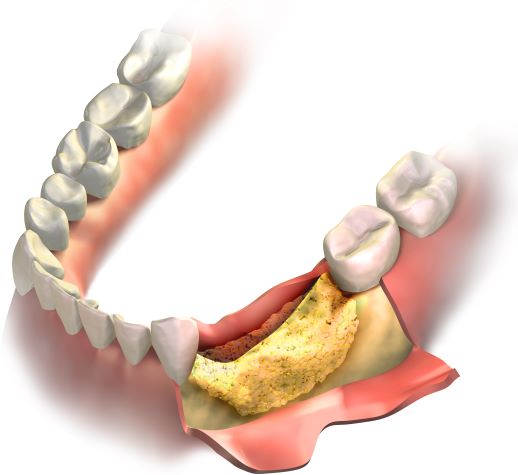
For patients considering dental implants, the lack of sufficient jawbone can be a concern. However, with the option of bone grafting, there is hope. Whether you’ve been wearing dentures for a while, have had missing teeth for an extended period, or naturally have thin remaining tooth sockets, bone grafting can build up your jawbone for successful implant placement. Even if your sinus cavities are unusually large, impinging on the upper jawbone area, bone grafting can provide a solution.
What is Bone Grafting for Dental Implants?
Rest assured, bone grafting for dental implants is a comfortable in-office procedure. Your oral surgeon will apply a natural or lab-made bone grafting material to thinning areas of the jawbone, creating a ‘scaffold’ for new bone growth. To ensure your comfort, the procedure is performed while you are sedated.
Types of Bone Grafts
Socket Preservation (Alveolar Ridge Preservation)
This technique fills the empty socket with grafting material immediately after tooth extraction to prevent bone loss.
Sinus Lift (Sinus Augmentation)
This procedure is used when the bone in the upper jaw near the molars and premolars is insufficient. It involves lifting the sinus membrane and adding graft material to the sinus floor. This procedure can sometimes be performed at the same time as implant placement.
Ridge Augmentation
This technique rebuilds the jaw’s natural contours by adding bone graft material to areas with significant bone loss. Your surgeon may choose powdered bone or
Block Bone Grafting
In cases of severe bone loss, a block of bone, typically harvested from another part of your body, is secured to the compromised area
Where Do You Get the Grafting Materials?
The source of the grafting material we use depends on several factors, including the type of graft performed, the location, and the amount of bone graft needed. Our oral surgeons carefully consider these factors to choose the most suitable and safe material for your specific case.
Autogenous Graft
If we need a larger quantity of bone, we may remove it from another area of your body, such as the chin, hip, shin, or the roof of the mouth. This ensures high biocompatibility and reduces the risk of rejection. However, it requires a second surgery and increases recovery time.
Allograft
Allografts also use human bone, but the bone comes from a human donor, usually a cadaver. The bone is then processed and sterilized for safety. This eliminates the need for a second surgery but has a slightly lower compatibility rate.
Xenograft
Xenografts are derived from animal sources, usually bovine (cow) or porcine (pig) bone, which is treated to ensure safety and compatibility. The abundant supply of these bones keeps the cost down and avoids the need for harvesting bone from the patient. However, they do have a slower integration process compared to autografts.
Alloplastic Graft
This involves synthetic materials, such as calcium phosphate or hydroxyapatite, to mimic natural bone. Alloplastic Grafts are customizable for unique situations and carry no risk of disease transmission, but they integrate more slowly than natural bone.
Many patients who were told they were not candidates for dental implants because they didn’t have sufficient jawbone mass may now be candidates if they undergo a bone grafting procedure at our office. To discuss your bone grafting options and how they can help you get the dental implants you dream about, contact our office! We will schedule a consultation with one of our oral surgeons.
Best Oral Surgeons in the Greater Seattle Area
Contact one of our offices today!
Jaw Surgery: Correcting Misalignment and Improving Oral Function
Jaw Surgery: Correcting Misalignment and Improving Oral Function
Orthognathic or corrective jaw surgery is a highly complex, specialized procedure. At 47 North Oral Surgery, our team of expert surgeons performs this procedure with precision and care, addressing functional or aesthetic issues related to the jaw. There are a variety of reasons an individual might need jaw surgery, each with unique concerns:
- Jaw Misalignment: When the upper and lower jaws don’t align properly, biting, chewing, and speaking can be difficult. Orthognathic surgery can reposition the jaws to improve functionality and comfort.
- Misaligned Teeth: Orthodontics alone may not fully correct severe cases of misaligned teeth. Surgery ensures the jaw alignment necessary for proper bite and long-term dental health.
- Facial Asymmetry: Uneven jaw development can lead to noticeable facial asymmetry, leading to self-consciousness and esteem issues. Corrective jaw surgery helps restore balance and symmetry to the face.
- Traumatic Injuries: Accidents or trauma to the jaw can lead to fractures or other damage that affects jaw alignment and function. Surgery repairs these injuries, restoring appearance and function.
- Congenital Defects: Certain birth conditions, such as a severe cleft palate or underdeveloped upper or lower jaw, may require jaw surgery to correct functional issues and improve appearance.
- TMJ Disorder and Related Jaw Pain: Chronic pain caused by temporomandibular joint (TMJ) disorders can sometimes be resolved with jaw surgery, which addresses structural issues contributing to TMJ dysfunction and the associated pain.
- Sleep Apnea: Orthognathic surgery is sometimes recommended for patients with sleep apnea when less invasive treatments are ineffective. Although this is usually a last resort, repositioning the jaw can improve airflow and reduce breathing obstructions.
Jaw Surgery Process
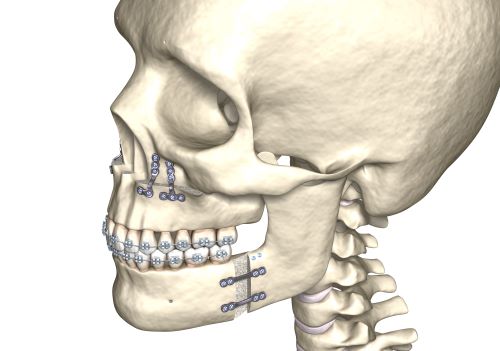 Patients who need jaw surgery begin with a comprehensive evaluation by one of our surgeons and an orthodontist. This includes X-rays, 3D imaging, and detailed treatment planning to determine the surgical approach. Patients may undergo orthodontic treatment before surgery to align their teeth in preparation. In most cases, patients must wear braces for 12-18 months before surgery. These procedures are reviewed with the patient before any treatment plan is begun.
On the day of surgery, we place the patient under general anesthesia. The surgeon makes incisions inside the mouth to access the jawbone to reduce or eliminate any visible scarring. The jaw is then repositioned and secured using plates, screws, or wires. In some cases, we may use bone grafts to fill gaps or support the jaw. The procedure can last several hours, depending on its complexity. While orthognathic surgery is generally safe, like any surgical procedure, it carries some risks, including infection, bleeding, and nerve damage. The surgeons at 47 North Oral Surgery perform all orthognathic surgery in a hospital setting for the safety and comfort of our patients.
Recovery Following Orthognathic Surgery
Recovery is a gradual process that requires patience and adherence to post-operative instructions. Patients experience swelling, bruising, and discomfort in the first few days, manageable with medication and cold compresses. A liquid or soft food diet is necessary during the initial healing phase to avoid stress on the jaw.
Over several weeks, swelling subsides, and patients gradually transition to regular foods. Orthodontic adjustments may continue to fine-tune the bite. Full recovery and stabilization of the jaw typically occur within 6-12 months, though most patients resume normal activities within 4-6 weeks.
Follow-up appointments are crucial to monitor healing and address any concerns. Throughout recovery, our oral surgeons collaborate with the patient’s orthodontist to make sure the jaw and teeth are healing properly and the bite is properly aligned. With proper care, orthognathic surgery can significantly improve jaw function, facial aesthetics, and quality of life.
To learn more about how orthognathic surgery can help you or to schedule a consultation with one of our oral surgeons, contact us.
Best Oral Surgeons in the Greater Seattle Area
Contact one of our offices today!
The Benefits of Dental Implants: Restoring Functionality and Aesthetics
The Benefits of Dental Implants: Restoring Functionality and Aesthetics
 There is no better form of tooth replacement than a dental implant. Dental implants are the superior option whether you are missing all of your teeth or just one. While options like dentures and bridges have long been used to fill the gaps, dental implants stand out for their unmatched durability, natural appearance, and positive impact on oral health.
Durability: A Long-Lasting Solution
Dental implants are known for their longevity. While dentures typically need to be replaced every 5 to 10 years, and bridges may last between 10 to 15 years, dental implants can last a lifetime with proper care. Implants are made of titanium, a biocompatible material that integrates directly with the jawbone. This fusion process, called osseointegration, creates a stable and permanent foundation for the artificial tooth. Unlike dentures and bridges that may loosen or need adjustments over time, implants remain securely in place, offering a long-lasting solution that requires minimal maintenance.
Natural Appearance: Seamless and Realistic
One of the most significant advantages of dental implants is their natural appearance. Implants are designed to closely mimic the look and feel of real teeth. The prosthetic teeth or crown attached to the implant are custom-made to match any remaining natural teeth’s color, shape, and size. Unlike traditional dentures, which can sometimes appear artificial or cause discomfort due to slippage, dental implants are fixed securely. This makes them indistinguishable from your natural teeth, ensuring you can smile, speak, and eat confidently without any embarrassing moments related to movement or shifting.
Impact on Oral Health: Promoting Bone Health
Dental implants do more than fill the gap left by a missing tooth—they help preserve the health of your jawbone and surrounding teeth. When a tooth is lost, the jawbone in that area begins to deteriorate due to a lack of stimulation. This leads to a sunken facial appearance and further oral health problems. Dental implants prevent this by acting like natural tooth roots, stimulating the bone and preventing deterioration. Dentures and bridges only sit on top of the gums, where they do not stimulate the jawbone and often cause pressure sores and irritate the gums.
Additionally, dental implants do not require the alteration of adjacent healthy teeth. Traditional bridges involve grinding down the surrounding teeth to anchor the prosthetic tooth. Implants, on the other hand, are independent structures that preserve the integrity of neighboring teeth.
Improved Functionality: Eat and Speak with Ease
Dental implants are firmly anchored into the jawbone, making them as strong and functional as natural teeth. This stability allows you to eat a wider variety of foods without worrying about slippage or discomfort. With dentures, certain foods like apples or nuts may be difficult to chew, but with implants, you can enjoy your favorite meals without restrictions.
Because implants function like natural teeth, they restore full speech capabilities. Dentures can sometimes slip or cause a person to mumble or slur their words. This is never a concern with implants, allowing you to speak clearly and confidently.
Convenience and Comfort: Say Goodbye to Adhesives
Unlike dentures, which often require messy adhesives to stay in place, dental implants are fixed and don’t need to be removed for cleaning or soaking. They become a permanent part of your mouth, eliminating the daily hassle associated with dentures. Dental implants are cared for just like natural teeth—through regular brushing, flossing, and dental checkups. This convenience and comfort make them an excellent choice for busy individuals who appreciate a stress-free and comfortable dental care routine.
Dental implants offer numerous benefits over traditional tooth replacement options like dentures and bridges. Their durability, natural appearance, positive impact on oral health, and superior functionality make them the best long-term solution for restoring missing teeth. To learn more about dental implants and how they can improve your oral health and ability to enjoy life, contact our office to schedule a consultation.
Ready for a Complete Smile with Dental Implants?
Contact one of our offices today!
Understanding Wisdom Teeth Extraction: What to Expect Before, During, & After Surgery
Understanding Wisdom Teeth Extraction: What to Expect Before, During, & After Surgery
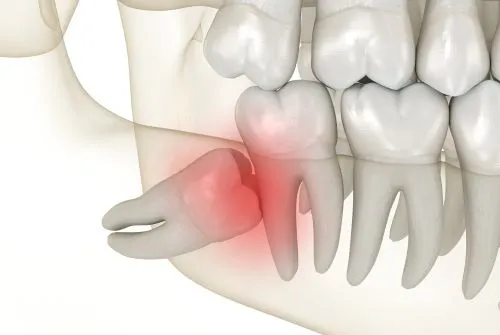 Wisdom teeth extraction is one of the most commonly performed oral surgeries by the surgeons at 47 North. For you or your child, it is a new experience. It’s natural to be a bit worried about the procedure and recovery. Rest assured that you will be well cared for and that we will treat you and your child with care, professionalism, and compassion.
Why We’re Extracting Your Wisdom Teeth
Wisdom teeth are the only teeth that are not essential to eating and speaking properly. Most people don’t have enough room to accommodate them in the back of the mouth, causing a variety of problems when they try to emerge. If we have recommended wisdom teeth extraction, it is for one of several reasons:
- The tooth is impacted and trapped beneath the gums or jawbone. Impacted teeth can lead to pain, swelling, and even infections.
- The wisdom teeth don’t have enough room to erupt properly, crowding the other teeth and pushing them out of alignment.
- One or more of the wisdom teeth are decayed or infected due to their location and difficulty keeping them clean.
- The wisdom teeth are in a position in the jawbone that will lead to complications in the future. Proactively removing them will prevent more serious dental issues later in life.
Wisdom Teeth Extraction Procedure
Wisdom teeth extraction is an outpatient procedure performed in our office. Before your surgery, you’ll consult with one of our oral surgeons. X-rays and an examination will help us determine the complexity of the surgery and design a treatment plan. Anesthesia and sedation options will be discussed at this time.
On the day of the procedure, your surgeon will administer the chosen form of anesthesia to numb the surgical area and help you relax. Depending on your comfort level and the difficulty of the extraction, the anesthesia may leave you fully awake, lightly sedated, or completely unconscious during the procedure.
Once the anesthesia takes effect, your oral surgeon will make small incisions in the gums to access the wisdom teeth. If the teeth are impacted, the surgeon may need to remove small portions of bone. Sometimes, the teeth may be sectioned into smaller pieces for easier removal. The entire procedure typically lasts 45 minutes to an hour. After removing the teeth, the surgeon stitches the surgical site using dissolving stitches.
Recovery After Wisdom Teeth Extraction
After surgery, proper care is essential for a smooth recovery and to minimize the risk of complications such as dry socket (a condition where the blood clot protecting the extraction site is dislodged). Here’s what you can do to ensure a quicker and more comfortable recovery:
- Rest: Rest is crucial after wisdom teeth removal. Avoid physical exertion for at least 48 hours after surgery to prevent bleeding and swelling. Keep your head elevated to minimize any bleeding or swelling. This is the ideal time to catch up on movies or a good book. When sleeping, prop yourself up on extra pillows for the first two nights.
- Pain Management: You will likely experience some swelling and discomfort in the first few days after the procedure. Over-the-counter pain relievers like ibuprofen are usually helpful in managing this pain. Applying ice packs to your face can also reduce swelling. If these aren’t helping, please get in touch with our office to request a prescription pain reliever.
- Diet: Stick to a soft diet for the first few days, avoiding anything crunchy, sticky, or spicy that might irritate the surgical site. Good food options include yogurt, mashed potatoes, soup, and smoothies. Avoid using straws, as sucking can dislodge the blood clot and cause a dry socket.
- Oral Hygiene: You should maintain oral hygiene but avoid brushing near the extraction site for at least 24 hours. Afterward, gently rinse your mouth with salt water to keep the area clean, but avoid vigorous rinsing or spitting.
- Follow-Up Care: Attend all follow-up appointments to ensure the healing process is on track. If you experience excessive bleeding, severe pain, or signs of infection (such as fever), contact our office immediately.
Wisdom teeth extraction is a common procedure with a relatively straightforward recovery. Understanding the reasons for extraction, the steps involved in the procedure, and how to properly care for yourself afterward will help ensure a positive experience. By following the above advice and any instructions we provide on the day of surgery, you’ll be back to your normal routine in no time.
We Create a Happy & Healthy Smile with Wisdom Tooth Removal
Contact one of our offices today!
The Art and Science of Facial Reconstruction: Restoring Form and Function
The Art and Science of Facial Reconstruction: Restoring Form and Function
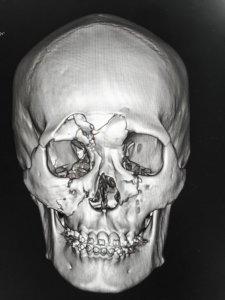
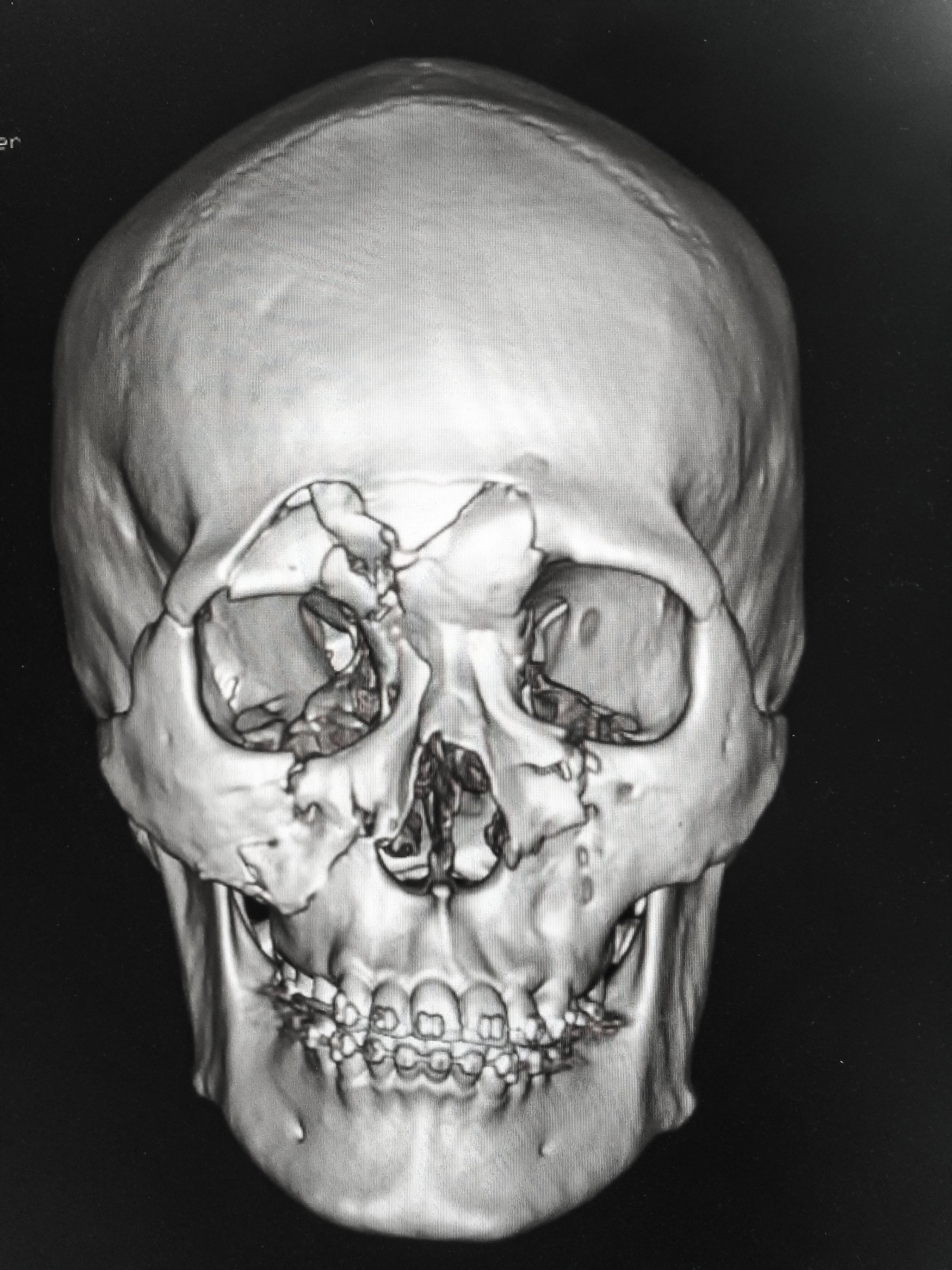
Facial reconstruction surgery is not just a medical procedure, but a complex and challenging process. It demands incredible precision, an understanding of the intricate interplay of the muscles, ligaments, bones, and tendons of the face and skull, and an awareness of the patient’s aesthetic concerns. When a patient has suffered a traumatic facial injury, the physical damage is compounded by the emotional toll taken by pain and the damage to their appearance.
 The Oral Surgeon’s Role
Oral and maxillofacial surgeons are uniquely equipped to handle the complexities of facial reconstruction. Their extensive training, including four to six years of additional training in a surgical residency program, prepares them for the challenges of treating facial trauma patients. Our surgeons have pursued additional training in facial reconstruction, including surgical techniques for treating soft tissue trauma and jaw injuries, to keep current with the latest techniques for optimal patient outcomes.
Facial reconstruction is particularly difficult because it involves three distinct components: the underlying bone structure that supports facial features, the musculature responsible for facial mobility, and the skin and soft tissues responsible for appearance.
Bone Structure
The bones of the face protect some of the body’s most delicate features, including the eyes, teeth, and nasal passages. Broken orbital bones, cheekbones, or jawbones must be reconstructed to properly support the face’s muscle and soft tissues, protect the eyes and other facial features, and restore a normal appearance.
Musculature
The muscles and ligaments of the face control the most complex joints in the human body, including the temporomandibular joints that control jaw movement. Our surgeons are experts in how these muscles work in relation to the bones of the face for smooth, comfortable movement. Repairing damaged or torn muscles and ligaments requires a deft touch and an understanding of the relationship between the underlying bones and the function of the muscles. Facial reconstruction must ensure that repaired muscles will allow the patient to eat, speak, and breathe freely without constriction.
Skin and Soft Tissues
The soft tissues and skin of the face give the face expression, beauty, and individuality. This is where facial reconstruction becomes an art. When a traumatic injury has broken a nose or crushed the jawbone, facial reconstruction can restore an individual’s appearance through careful use of advanced techniques. These injuries are complicated by the abundance of underlying blood vessels, nerves, muscles, and glands that must be considered. Our surgeons’ familiarity with the complexities of facial anatomy ensures beautiful restorative surgery for facial reconstruction patients.
Psychological Considerations
The emotional impact of traumatic facial injuries is often as significant as the physical damage. When an individual looks in the mirror and doesn’t recognize themselves or is shocked by their appearance, it can be psychologically devastating. Compassion and understanding are essential when working with patients who have suffered a sudden, traumatic injury that can’t be “hidden” from the world.
Our surgeons work with their patients to perform the needed surgeries to repair their injuries and provide them with resources for rehabilitation and support. In restoring their appearance and ability to breathe, eat, and speak comfortably, we help them confidently return to their normal lives. Our approach is grounded in meticulous planning, understanding of facial anatomy, patient education, attention to detail, and dedication to achieving something extraordinary for each patient. The results can be life-changing.
Best Oral Surgeons in the Greater Seattle Area
Contact one of our offices today!
Holistic Approaches to Pain Management in Oral Surgery: Integrating Alternative Therapies
 Oral surgery usually results in some level of post-operative pain. Although pain can often be managed with over-the-counter pain relievers or non-narcotic prescriptions provided by your oral surgeon, there are other options available. If you are concerned about side effects or prefer a more holistic approach to pain management, you can integrate therapies such as acupuncture, mindfulness techniques, and herbal remedies into your post-operative care routine. However, please check with your surgeon before using any of these as an adjunct to your post-op instructions.
Acupuncture
Acupuncture is an ancient Chinese medical practice that involves inserting thin needles into specific points on the body to balance the body’s energy, known as Qi. It is based on the belief that stimulating these points can correct imbalances and enhance natural healing processes.
These holistic approaches, when integrated into your post-operative care routine, can offer significant benefits in managing pain and promoting healing after oral surgery.
- Pain Reduction: Acupuncture has been shown to reduce pain perception by stimulating the release of endorphins, the body’s natural painkillers. Studies indicate that acupuncture can be effective in reducing post-operative dental pain.
- Reduced Need for Medications: By managing pain effectively, acupuncture can reduce the need for pain medications, minimizing the risk of side effects and dependency.
- Enhanced Healing: Acupuncture is believed to improve blood circulation and reduce inflammation, accelerating the healing process after oral surgery.
Mindfulness Techniques
Mindfulness involves maintaining a heightened awareness of the present moment while calmly acknowledging and accepting one’s feelings, thoughts, and bodily sensations. Techniques include meditation, deep breathing exercises, and guided imagery.
Mindfulness techniques such as meditation and deep breathing can help patients after oral surgery in a variety of ways, including:
- Stress and Anxiety Reduction: Mindfulness practices can significantly reduce preoperative anxiety and stress, positively impacting the surgical experience.
- Pain Perception: Mindfulness meditation has been shown to alter the perception of pain by changing the way the brain processes pain signals, making it a powerful tool for managing post-operative pain.
- Improved Patient Outcomes: Patients who engage in mindfulness often report higher satisfaction levels and a better overall sense of well-being, contributing to faster recovery times.
Herbal Remedies
When considering herbal remedies, it’s important to ensure you’re getting them from a reputable source. Be sure to consult with your oral surgeon or a holistic health practitioner to find the right herbal remedies for your needs.
Herbal remedies can provide a wide range of relief due to their many different properties, including:
- Anti-Inflammatory Properties: Many herbs possess strong anti-inflammatory properties that can help reduce swelling and pain after oral surgery. For instance, turmeric contains curcumin, which has been shown to have potent anti-inflammatory effects.
- Pain Relief: Herbal remedies like arnica and ginger have natural analgesic properties that can help manage pain. Arnica, when used topically, can reduce bruising and soreness. At the same time, ginger can be taken in tea or as a supplement to alleviate pain.
- Fewer Side Effects: Herbal remedies generally have fewer side effects than synthetic medications, making them a safer alternative for patients who are sensitive or allergic to traditional medicines.
Integrating Holistic Approaches into Oral Surgery Pain Management
It’s crucial to consult with your oral surgeon and a holistic health practitioner (acupuncturist, herbalist, etc.) before your surgery to ensure these alternative therapies are safe and effective. Together, we can create a pain management plan that aligns with your holistic health preferences and goals.
The Role of Oral Health in Overall Well-being: Exploring the Mouth-Body Connection
The Role of Oral Health in Overall Well-being: Exploring the Mouth-Body Connection
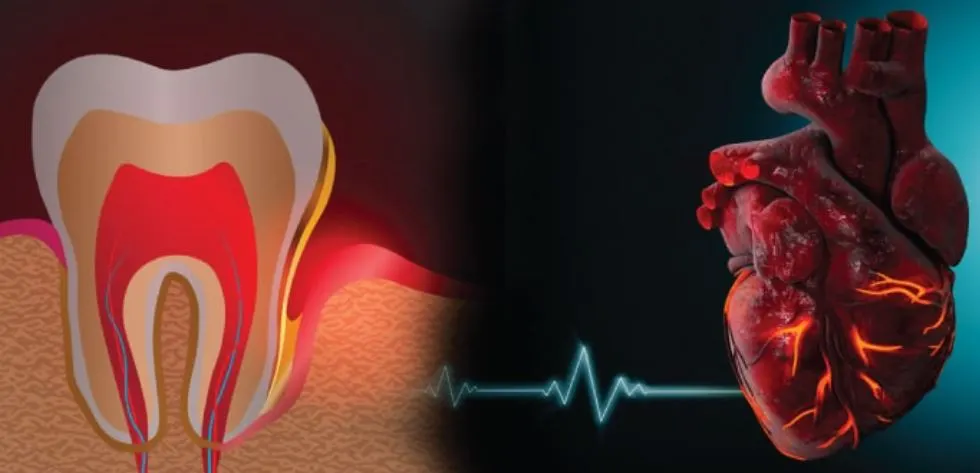 Oral health is often considered separate from body health. Yet, an increasing body of research reveals many connections between oral and systemic health. And your body’s health has an impact on your overall well-being.
The Mouth-Body Connection
The mouth is a doorway to the body, offering easy access for bacteria to enter the bloodstream and digestive tract. When harmful bacteria enter the bloodstream, it can lead to infections and systemic inflammation. Good oral hygiene practices, such as brushing, flossing, and regular dental check-ups, are essential to keep these harmful bacteria in check.
Heart Disease
One of the most well-documented connections between oral health and overall health is the link with cardiovascular disease. Studies have shown that periodontal disease, a severe form of gum disease, is associated with an increased risk of heart disease. Chronic inflammation from periodontal disease can contribute to the buildup of plaques in arteries, leading to atherosclerosis, which is a significant risk factor for heart attacks and strokes.
A 2021 study published in the “Journal of the American Heart Association” found that individuals with periodontal disease had a significantly higher risk of a heart attack compared to those with healthy gums. The study suggests that managing gum disease can be essential to preventing cardiovascular disease.
Diabetes
Diabetes and oral health are a two-way relationship. High blood sugar levels in individuals with diabetes can increase the risk of gum disease, while severe gum disease can impair the body’s ability to control blood sugar levels. This creates a vicious cycle that complicates the management of diabetes.
Recent research, featured in ‘Diabetes Care’ in 2022, discovered that treating gum disease in diabetic patients not only enhanced their oral health but also contributed to better blood sugar control. This positive outcome underscores the potential benefits of maintaining good oral health, even in the face of a chronic condition like diabetes.
Respiratory Infections
Oral health also affects respiratory health. Bacteria from the mouth can be aspirated into the lungs, causing infections such as pneumonia, especially in vulnerable populations like the elderly and those with compromised immune systems. A 2020 study in the Journal of Clinical Periodontology showed a significant association between poor oral hygiene and an increased risk of respiratory infections.
Pregnancy Complications
Pregnant women with periodontal disease are at a higher risk of preterm birth and low birth weight infants. The inflammation and infection in the gums can trigger an inflammatory response that can affect fetal development. The “Journal of Clinical Periodontology” published a 2023 study demonstrating that women who received periodontal treatment during pregnancy had better outcomes than those who did not.
Cognitive Health
Emerging research is also exploring the link between oral health and cognitive decline. There is evidence to suggest that periodontal disease might be associated with an increased risk of developing Alzheimer’s disease. A 2022 study in “Alzheimer’s Research & Therapy” found that individuals with chronic gum disease were more likely to develop dementia than those with healthy gums.
Cancer
While the connection is still being studied, some research indicates that periodontal disease might be linked to certain types of cancer. A 2021 study published in “Cancer Epidemiology, Biomarkers & Prevention” found a potential association between severe periodontal disease and an increased risk of some cancers.
The mouth can no longer be seen as separate from the rest of the body. It’s a crucial part of your overall health. Effective oral hygiene, including regular dental check-ups, is vital for maintaining a healthy smile and preventing potentially serious health conditions.
These check-ups can help identify and address any oral health issues early on, giving you peace of mind about your oral health management.
At 47 North Oral Surgery, we’re here to be your partners in oral health. To understand more about how your oral health affects your overall well-being and the role of oral surgery, reach out to us to schedule a consultation.
Best Oral Surgeons in the Greater Seattle Area
Contact one of our offices today!
Smile with Confidence Once You Get Full Dental Implants
Nearly 3 million people choose to have dental implants, and that number of people is increasing by 500,000 annually. There is a good reason that the number is rising. Full dental implants give the natural look and feel of regular teeth. They also feel more natural than their counterparts, otherwise known as dentures. When you are looking for ideal teeth replacement options, full dental implants are a perfect choice.
Do You Know What Dental Implants Are?
A dental implant is a high-tech tooth replacement. It consists of a titanium root that fits inserted into your jaw bone and mimics the structure of a whole tooth. It looks, acts, and feels like a natural tooth. When full dental implants are cared for, they can last a lifetime. Whether you are missing a single tooth, or you are missing a few teeth, dental implants are the state-of-the-art remedy for you. Modern innovations in the dental industry make full dental implants a clear advantage that benefits many patients.
Are You a Good Candidate for Implants?
Do you have one or many missing teeth? The negative impact of dealing with missing teeth is bone loss. When there are no tooth roots or implants in place, bone loss will occur. Just within the first year of tooth loss, the jaw bone can lose up to 25% of its volume. Bone loss will continue until implants are placed. Once implants are in place, the jaw bone stays stimulated, so there is no more deterioration.
Do you have decayed or broken teeth that are more than likely beyond repair? Do you currently have dentures that leave you in constant pain? You could be a great candidate for a dental implant procedure. Today, there have been many advances in diagnostics that make it possible for patients suffering from insufficient bone structures to get implants. Thanks to bone reconstruction and dental implant surgery, you could be enjoying the benefits of natural-looking teeth via implants.
Get Your Chewing Power Back
One of the worst things people suffer from missing teeth or bad-fitting dentures is the ability to chew correctly. A significant advantage of full dental implants is chewing power. It is difficult to tell the difference between an implant versus a natural tooth, according to dental patients. Once implants are placed for a dental implant patient, they can generally eat as well as brush and floss regularly too.
Full Dental Implants Last a Lifetime
Dental bridges tend to last for ten years. The fact that implants can last a lifetime is one of the most significant dental implant advantages. This type of dental device is biocompatible, making it non-toxic so the human body will not reject it. When you want a powerful tooth replacement that can make you look and feel better, implants are the long-lasting answer.
Implants Ward Off Gum Disease and Keep Teeth Stable
No one wants to suffer from gum disease. Gaps due to missing teeth are traps for bacteria and food, which can lead to gum disease. Gaps also make teeth unstable. Adjacent teeth tend to shift and become crooked when there is no stability from other teeth present. Once teeth are out of their routine, healthy alignment, your ability to chew, bite, and appearance are all affected. Poor bites lead to many issues, including headaches, pain, and sometimes temporomandibular joint problems.
Prevent Premature Aging and Facial Sagging
Missing teeth prematurely age a person and cause facial sagging. The more bone loss you suffer from, the more likely you will end up with those problems. The lower third of your face may collapse to close the distance between the tip of the nose and the chin. This type of problem also causes excessive wrinkles around your mouth, a pronounced pointed chin, as well as thinning lips. All of those adverse facial problems make you look older than you are. Show your true age and become more confident in your smile with dental implants.